

Is My Child Behind? Understanding Early Childhood Milestones (Without the Panic)
- Adrienne Forst
- May 1
- 3 min read
You scroll past a post: “My 2-year-old is speaking in full sentences!” Meanwhile, your child is… not. And suddenly, the worry creeps in. If you have ever asked yourself, is my child behind? you are not alone. Many parents wonder about toddler development and early childhood milestones, especially when comparing their little one to others. The truth is, every child grows at their own pace, and understanding what is typical can help ease your mind.
I remember this moment specifically almost 8 years ago. I gave birth to our son within months of 4 other ladies in our life group at church. All of their kids were walking and mine...he wouldn't even crawl. I started growing concerned with his development which led to many sleepless nights. Our pediatrician reinforced that he will develop on his own timeline. Little did I know how true this was and that my second born child would do things on his own terms in his own time. 14 months hit and he just stood up and walked, almost as if to say, "yeah crawling is a waste of time!"
Why Early Childhood Milestones Matter
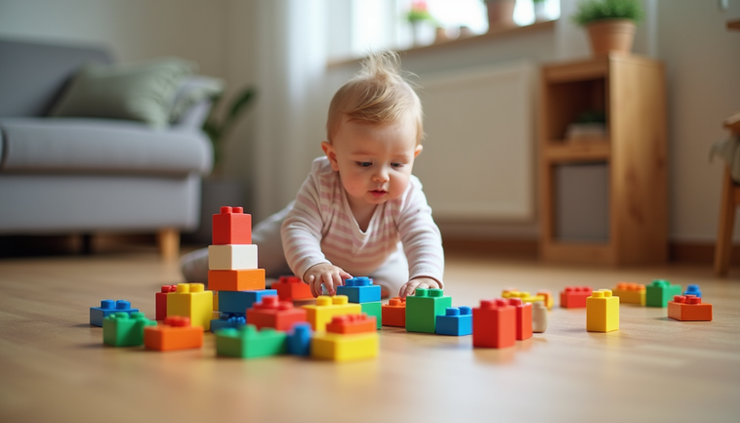
Early childhood milestones are important because they provide a general guide to how children develop skills in language, movement, and social interaction. These milestones help parents and caregivers notice if a child is progressing or if they might need extra support. However, milestones are not deadlines. They are markers to help us understand child development and beyond.
The challenge is that comparing your child to others can steal your peace and cloud your judgment. Some toddlers speak early, while others take more time. Some walk at 10 months, others closer to 15. Some children are outgoing, while others prefer to observe before engaging. This wide range of normal means development is a progression, not a race.
What’s Actually Normal in Toddler Development
When you ask is my child behind? it helps to know what typical toddler development looks like. Here are some examples of normal variation:
Language: Some toddlers say their first words as early as 9 months. Others might not speak clearly until 18 months or later. Using gestures, sounds, or simple words all count as communication.
Movement: Walking can start anywhere between 9 and 15 months. Crawling, cruising, and standing are all important steps along the way. Unless you are my son then you just choose what you want to do and when!
Social skills: Some children love interacting with others right away. Others watch quietly and join in when they feel comfortable.
Understanding these differences can reduce worry and help you focus on your child’s unique path.
What to Watch For Without Panic
Instead of comparing your child to others, look for patterns in their growth. Ask yourself:
Is your child gaining new skills over time?
Do they respond when you call their name?
Are they communicating in some way, even if not with words? This could be through gestures, sounds, or facial expressions.
If you notice your child’s progress seems stalled or you feel something is off, trust your instincts. It’s okay to ask for advice or support, but try not to jump to fear. Many children catch up naturally with time and encouragement.
What You Can Do to Support Your Child’s Development
Focusing on connection instead of comparison can make a big difference. Here are some practical ways to support toddler development and early childhood milestones:
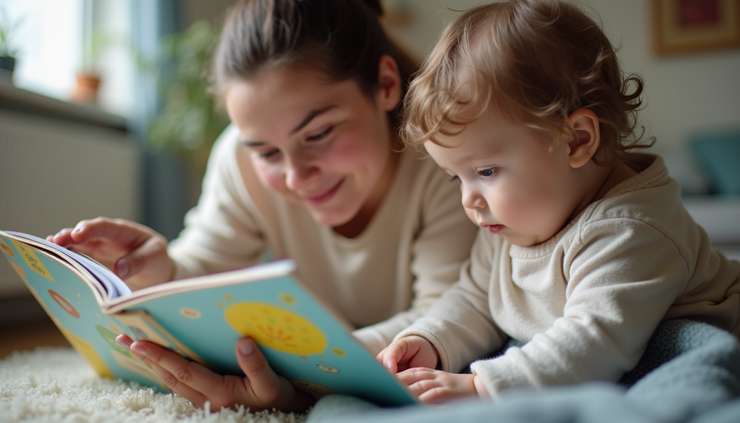
Talk, read, and play daily: These activities build language and social skills naturally.
Keep routines consistent: Predictability helps children feel safe and ready to learn.
Encourage exploration: Let your child try new activities at their own pace.
Ask questions when you need reassurance: Reach out to your pediatrician, preschool program, or child development specialists if you have concerns.
Large group socialization: Children function differently in small group and large group settings. Introducing them to larger environments early will help ease the transition to primary school.
Remember, your involvement and encouragement are key to helping your child grow with confidence.
Faith and Patience in the Journey
Parenting young children requires patience and faith. The Bible reminds us, “Let us not become weary in doing good…” (Galatians 6:9). Growth takes time, both for children and for parents. Trusting the process and celebrating small steps can bring peace during uncertain moments.

At places like Granny & Dot’s, child development is observed carefully and individually. Each child’s progress is tracked in a way that supports their unique needs without pressure. The goal is to meet children where they are and help them grow confidently.
If you have ever worried about your child’s development, you are not alone. Sharing your concerns and learning from others can provide comfort and encouragement. Pass this information along to another parent who might need reassurance today 💛.

Comments